
Water Tanks for Reliable Storage and Smarter Water Management
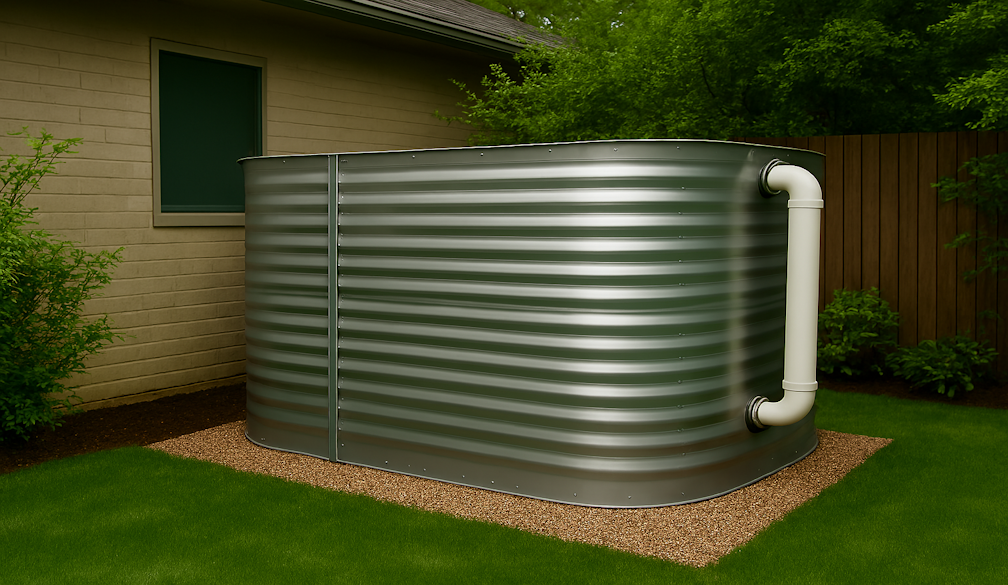
Installing Water Tanks has become an increasingly practical solution for households, businesses, and rural properties that want greater control over their water supply. With changing climate patterns, rising water costs, and growing demand on public infrastructure, water tanks provide a dependable way to store and manage water efficiently. They support everyday needs while promoting long-term sustainability and resilience.
Water tanks are designed to store water from various sources, including rainwater collection systems and mains supply backups. This stored water can be used for gardens, cleaning, toilets, laundry, and in some cases, treated for drinking purposes. Their flexibility makes water tanks suitable for a wide range of applications, from suburban homes to large commercial and agricultural settings.
Why Water Tanks Are More Important Than Ever
Water security has become a key concern across many regions. Periods of drought, water restrictions, and increased consumption place pressure on existing supplies. Water tanks help reduce reliance on mains water by providing an alternative source that can be accessed when needed.
By storing water on-site, property owners gain greater independence and protection against supply disruptions. This proactive approach supports responsible water use and helps manage consumption more effectively throughout the year.
How Water Tanks Support Daily Water Needs
Water tanks operate as storage units that hold water until it is required. In residential settings, they are often connected to roof catchment systems, allowing rainwater to be collected and stored efficiently. In other cases, tanks may be used to store mains water as a backup supply.
The stored water can then be distributed to selected outlets around the property. With appropriate filtration and pumping systems, water tanks integrate smoothly into everyday routines, supplying water reliably without constant monitoring.
Reducing Water Costs Through Efficient Storage
One of the key benefits of water tanks is their ability to lower water expenses. Activities such as garden irrigation, outdoor cleaning, and toilet flushing consume significant amounts of water. Using stored water for these purposes reduces dependence on metered mains supply.
Over time, this reduction in usage can result in noticeable savings on water bills. For properties with high water demand, such as large households or commercial sites, the financial benefits of water tanks can be substantial.
Environmental Benefits of Using Water Tanks
Water tanks contribute to environmental conservation by easing pressure on natural water sources. By capturing and reusing water, they help conserve treated drinking water for essential uses.
They also play a role in managing stormwater runoff. Excess rainwater that would otherwise flow into drainage systems is instead stored and reused. This helps reduce erosion, flooding risks, and pollution in local waterways, supporting healthier ecosystems.
Choosing the Right Water Tank for Your Property
Selecting the right water tank depends on several factors, including water usage needs, available space, and intended applications. Larger tanks offer greater storage capacity and are ideal for properties with high demand or limited access to mains water. Smaller tanks suit urban homes with modest requirements or restricted space.
Water tanks come in various shapes and materials. Slimline tanks are popular for residential properties where space is limited, while round or underground tanks are suitable for larger areas. Choosing the right design ensures efficient storage without compromising practicality or appearance.
Water Tanks for Residential Use
In residential settings, water tanks support everyday convenience and sustainability. Gardens thrive on stored water, which is often better for plants than treated mains water. Using tank water for outdoor needs reduces household consumption significantly.
Indoor connections, such as toilets and washing machines, can also be linked to water tanks. This further improves water efficiency and allows households to reduce their overall environmental footprint without changing daily habits.
Commercial and Industrial Applications
Businesses with consistent water usage can benefit greatly from water tanks. Commercial properties such as car washes, manufacturing facilities, and hospitality venues often use large volumes of water daily. Stored water helps manage these demands more efficiently and provides a buffer during supply interruptions.
Industrial and agricultural operations also rely heavily on water tanks. In rural areas, they are often essential for livestock, irrigation, and processing needs. Reliable water storage supports productivity and operational stability in these environments.
Durability and Long-Term Performance
Modern water tanks are built to withstand harsh conditions and long-term use. Quality materials resist corrosion, UV exposure, and weather-related damage. With proper installation and routine maintenance, water tanks can perform reliably for many years.
Regular checks, such as inspecting filters, cleaning catchment areas, and monitoring tank condition, help maintain water quality and system efficiency. These simple maintenance steps protect the investment and ensure consistent performance.
Installation and Compliance Considerations
Installing water tanks may involve local building codes and plumbing regulations. Professional installation ensures compliance with these requirements and helps avoid issues such as leaks, contamination, or inefficient operation.
A well-installed system integrates seamlessly with existing infrastructure. This ensures water tanks operate safely and effectively while delivering maximum benefit from day one.
Water Tanks and Sustainable Building Design
Water tanks are increasingly included in sustainable building practices. Many modern homes and developments incorporate water storage as part of broader water efficiency strategies. This integration supports environmentally responsible construction and aligns with long-term sustainability goals.
For existing properties, retrofitting water tanks is also achievable. With careful planning, systems can be added without major disruption, allowing older buildings to benefit from modern water management solutions.
Why Water Tanks Are a Smart Investment
Water tanks provide a reliable, cost-effective way to manage water usage while supporting environmental responsibility. By storing water on-site, they reduce reliance on the mains supply, lower costs, and improve resilience against shortages.
Choosing water tanks is an investment in long-term efficiency and sustainability. With the right system in place, property owners can enjoy greater water security, reduced expenses, and the confidence that comes with responsible resource management.