
Why Visiting a Dentist Regularly Is Essential for Maintaining Oral Health

Maintaining good oral health requires more than brushing and flossing at home. Regular professional care plays a crucial role in keeping teeth and gums healthy while preventing dental problems before they become serious. Scheduling appointments with a qualified Dentist allows individuals to receive professional examinations, preventive treatments, and guidance on maintaining strong oral hygiene habits. Dental professionals help detect early signs of issues such as tooth decay, gum disease, and oral infections, ensuring that patients receive timely treatment and long-term care.
The Importance Of Preventive Dental Care
Preventive care is one of the most important services provided by dental professionals. Regular dental visits allow dentists to examine the teeth, gums, and surrounding tissues to identify early warning signs of potential problems. Many dental issues develop gradually and may not cause noticeable symptoms in the early stages.
During routine appointments, dentists perform professional cleanings that remove plaque and tartar buildup. Even individuals who brush and floss regularly may find it difficult to reach certain areas of the mouth. Dental hygienists use specialised tools to remove deposits that could lead to cavities or gum disease if left untreated.
Preventive treatments may also include fluoride applications and dental sealants that strengthen tooth enamel and reduce the risk of decay. By addressing potential issues early, preventive care helps patients avoid more complex and costly treatments later.
Early Detection Of Dental Problems
One of the key benefits of visiting a dentist regularly is early detection of dental conditions. Cavities, gum disease, and infections often develop slowly and may not be immediately noticeable.
Dentists use diagnostic tools such as digital X-rays to examine areas that cannot be seen during a visual inspection. These imaging techniques allow dental professionals to detect hidden problems such as decay between teeth or infections beneath the gum line.
Early detection significantly improves treatment outcomes. When dental problems are identified at an early stage, treatment is often simpler and less invasive.
Protecting Gum Health
Healthy gums are essential for maintaining strong teeth. Gum disease is a common condition that begins with mild inflammation known as gingivitis. Without proper treatment, it can progress into a more serious form known as periodontitis.
Dentists monitor gum health during routine visits by measuring the depth of the spaces between teeth and gums. Early signs of gum disease include redness, swelling, and bleeding during brushing.
Professional cleaning and improved oral hygiene habits can often reverse early gum disease. Regular dental visits, therefore, play a crucial role in protecting the health of gum tissues.
Restorative Treatments For Damaged Teeth
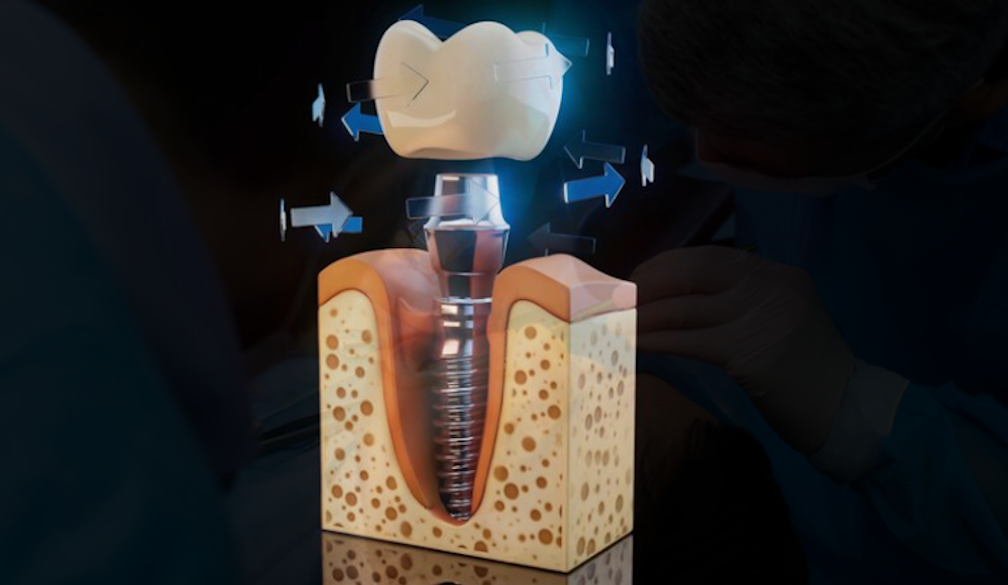
In addition to preventive care, dentists provide restorative treatments that repair damaged teeth and restore normal function. These treatments may include dental fillings, crowns, bridges, and root canal therapy.
Restorative procedures help protect the structure of teeth that have been weakened by decay or injury. By repairing damaged teeth promptly, dentists prevent further deterioration and preserve natural tooth structure.
Modern restorative dentistry focuses on creating durable and natural-looking results. Advanced materials allow dentists to match the colour and appearance of natural teeth while maintaining strength and functionality.
Cosmetic Dentistry For A Confident Smile
Many dental clinics also offer cosmetic treatments designed to enhance the appearance of a patient’s smile. Cosmetic dentistry focuses on improving the colour, shape, and alignment of teeth.
Common cosmetic procedures include teeth whitening, veneers, and bonding. These treatments can address concerns such as stains, chips, or minor alignment issues.
A brighter and more balanced smile often improves self-confidence and encourages individuals to maintain regular oral hygiene practices.
Maintaining Overall Health Through Oral Care
Oral health is closely connected to overall health. Research has shown links between gum disease and systemic conditions such as heart disease, diabetes, and respiratory infections.
Bacteria from the mouth can enter the bloodstream and affect other parts of the body. Maintaining healthy teeth and gums, therefore contributes to overall wellbeing.
Regular dental visits allow dentists to monitor oral health conditions that may influence general health. By maintaining good oral hygiene and attending routine checkups, patients reduce the risk of both dental and systemic health problems.
Encouraging Healthy Habits At Home
Dentists play an important role in educating patients about proper oral hygiene practices. Brushing twice daily with fluoride toothpaste and flossing regularly are essential habits for preventing plaque buildup.
Dentists may also recommend specialised products such as antimicrobial mouth rinses or electric toothbrushes to improve cleaning effectiveness. Dietary advice is another important aspect of dental care, as sugary foods and beverages increase the risk of tooth decay.
Patients who follow professional advice and maintain consistent oral hygiene habits often experience fewer dental issues over time.
The Long Term Benefits Of Regular Dental Visits
Consistent dental care supports long-term oral health and helps individuals maintain strong, healthy smiles throughout their lives. Routine checkups allow dentists to track changes in oral health and provide personalised recommendations.
Patients who visit their dentist regularly are more likely to detect problems early, avoid complex procedures, and maintain a confident smile.
Ultimately, professional dental care combined with good daily habits provides the foundation for lasting oral health and overall wellbeing.